Certified Arboricultural Services in Sarasota
Specialist Tree Removal & Stump Grinding Services: Safely Transform Your Landscape Today
Professional tree removal and stump grinding services play a vital role in maintaining a safe and visually appealing landscape. Dangerous trees can pose considerable risks, while stumps can create obstacles and attract pests. Understanding the symptoms of tree distress and the processes involved in removal and grinding is essential for property owners. As landscapes develop, so do the needs for professional intervention. What strategies do experts advise for ensuring a healthy outdoor environment?
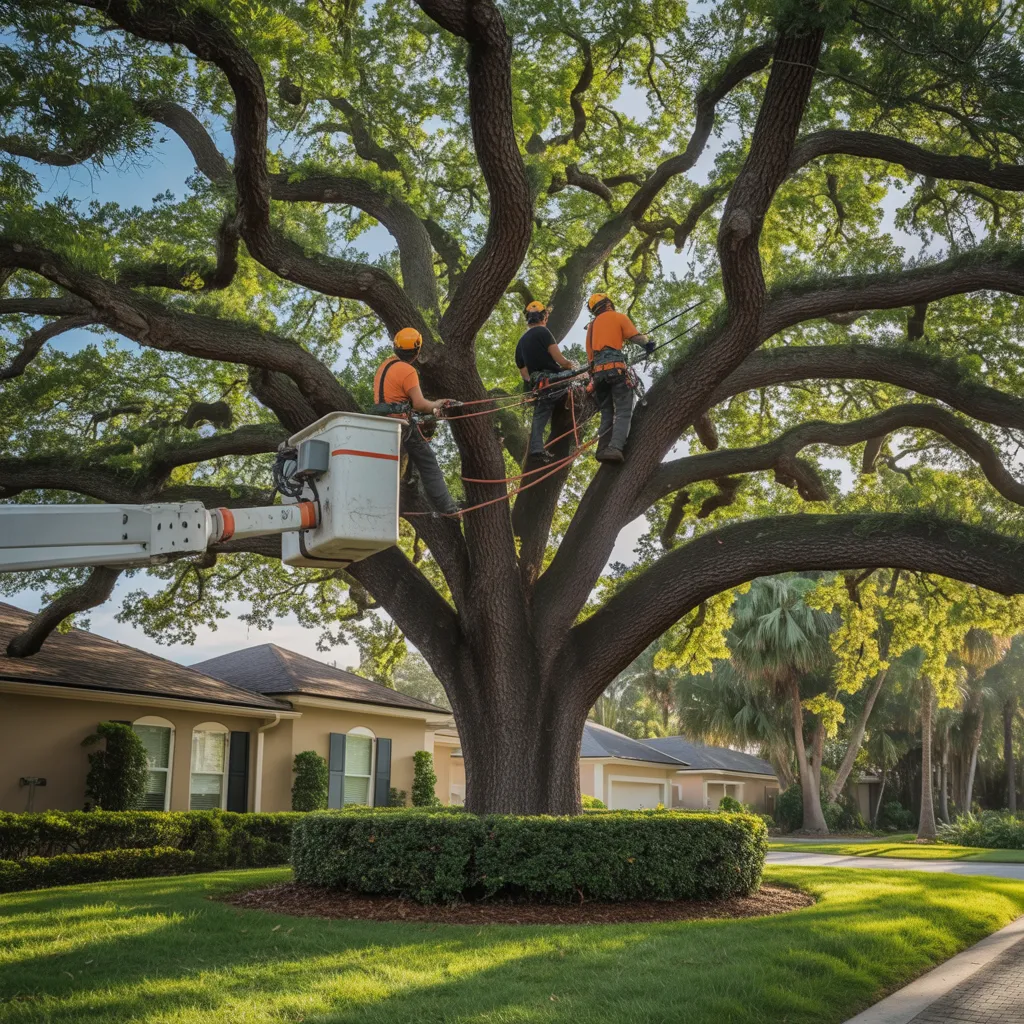
Are Unsafe Trees Threatening Your Safety?
How can one determine if hazardous trees pose a threat to safety? Evaluating the condition of trees is critical in detecting potential dangers. Signs such as visible decay, dead branches, and leaning trunks can suggest instability. Furthermore, the proximity of trees to property, walkways, or power lines heightens the risk of damage during storms or severe weather. Soil erosion around the root system may also compromise a tree's stability, making it more prone to falling.
Scheduled inspections by professional arborists can supply a detailed evaluation of tree health and safety. They can identify evidence of disease or infestation that may not be immediately apparent. Additionally, evaluating the surrounding landscape and its influence on tree stability is crucial. Property owners should stay alert and attentive in observing their trees to maintain a safe environment for themselves and their neighbors, thereby preventing potential hazards before they intensify.
Indicators It's Time for Tree Removal
Recognizing when a tree requires removed is crucial for ensuring safety and property health. Signs such as dead or dying branches, combined with unstable root systems, signal that a tree may pose a risk. Understanding these warning indicators can help homeowners make educated decisions about tree removal.
Lifeless or Dying Trees
As trees start to display signs of decline, like substantial leaf loss or widespread dead branches, it becomes imperative for property owners to evaluate their condition. Dead or dying trees pose risks, including potential dangers to nearby structures and individuals. Leaf discoloration, early leaf drop, and fungi or mushrooms at the base may indicate decay. Additionally, a tree with a hollow trunk or large cracks may signify internal damage. Property owners should seek advice from tree care professionals to assess the tree's health and determine the best course of action. Removing trees promptly can guarantee safety and prevent further landscape damage, making it essential to detect these warning signs immediately.
Unstable Root Systems
A tree's stability heavily relies on a healthy root system, and symptoms of instability may indicate an urgent need for removal. Identifying visible cracks in the soil around a tree's base or exposed roots can suggest that the root system is compromised. In addition, trees that lean considerably to one side may have weakened roots incapable of supporting their weight, leaving nearby structures at risk. If a tree experiences sudden or excessive shedding of leaves, it may signal root stress, potentially leading to its failure. Furthermore, fungal growth at the base can indicate decay within the root system. Homeowners should routinely inspect their trees and work with professionals if they observe any of these warning signs to ensure safety and preserve the landscape.
What to Expect Throughout Tree Removal?
As homeowners prepare for tree removal, they can expect a carefully organized process that prioritizes both safety and efficiency. To begin, a professional team will assess the tree's condition and surrounding environment, determining the best approach for removal. This examination includes identifying potential hazards, such as electrical lines or adjacent buildings.
When the plan is in place, the team will safeguard the vicinity, making sure bystanders and pets are at a safe distance. The removal process often starts with cutting branches to decrease the load and mitigate risks.
Subsequently, the trunk is removed in pieces, providing safe and controlled descent. The team will utilize specialized equipment, such as chainsaws and ropes, to handle the process properly.
Following the tree removal, they will clean up the debris, seeing to it that the area is left tidy. Homeowners can anticipate professionalism and expertise across the full service, improving their landscape safely.
Important Details About Stump Grinding
Stump grinding constitutes a vital component in the tree removal process, often ignored by homeowners. This process involves employing specialized machinery to grind down the remaining tree stump to below ground level, which lessens the visual impact on the landscape. Homeowners should recognize that stump grinding is not merely aesthetic; it also helps stop potential hazards, such as tripping or damage to lawn equipment. Moreover, removing the stump reduces the risk of pest infestations, as decaying wood can invite insects like termites or carpenter ants.
The grinding process typically involves a professional operator who will examine the stump's size and location before beginning work. The resulting wood chips can be converted into mulch or taken away from the property. It's vital to hire qualified professionals, as poor grinding may lead to soil erosion or damage to surrounding plants. Homeowners should consider stump grinding an important part of their tree removal plan.
Why Stump Grinding Matters for Your Landscape
Stump grinding serves an important function in improving the general aesthetic appeal of a landscape by removing unsightly tree stumps. Furthermore, it assists in stop pest infestations, as rotting stumps can attract unwanted insects and critters. Thus, incorporating stump grinding into landscape maintenance contributes to a more robust and more visually appealing outdoor space.
Elevated Artistic Charm
How does the extraction of an ugly tree stump substantially alter a landscape? Stump grinding fulfills an essential purpose in improving the aesthetic appeal of outdoor spaces. By eliminating the remnants of an old tree, homeowners can achieve a clean and polished look that increases the overall visual harmony. This process provides seamless landscaping opportunities, making possible the planting of new flora or the installation of decorative features without obstructions. Moreover, a stump-free environment promotes a more inviting atmosphere, encouraging social gatherings and outdoor activities. The absence of stumps not only improves the beauty of the property but also betters accessibility, making it more convenient for residents and visitors to navigate through the landscape. Ultimately, stump grinding is crucial for an attractive and functional outdoor space.
Avoiding Bug Infestations
What secret threats might be hiding beneath an ugly tree stump? Tree stumps often become habitats for pests including termites, ants, and beetles. These creatures are not simply unpleasant but may also introduce considerable risks to local vegetation and even the structural soundness of nearby properties. When the stump deteriorates, it invites these pests, causing infestations that can migrate to healthy trees and vegetation. Stump grinding successfully removes this threat by extracting the stump and its root network, thus destroying the environment for pests. Additionally, it supports a stronger landscape, permitting new plants to prosper without rivalry from decomposing wood. Investing in stump grinding is a proactive step in maintaining a pest-free and vibrant outdoor space.
Selecting the Top Tree Service Companies
When picking tree service professionals, what factors should one consider to secure quality and safety? First, it is vital to verify credentials such as licenses and insurance. Licensed professionals demonstrate compliance with local regulations, while insurance protects against potential liabilities during the job. Next, consider their experience and expertise. Established companies with a solid track record are better positioned to deliver reliable services.
When selecting tree service professionals, what factors should you assess to guarantee quality and safety? First, it is essential to verify credentials such as licenses and insurance. Licensed professionals show compliance with local regulations, while insurance protects against potential liabilities throughout the job. Next, consider their experience and expertise. Well-established companies with a solid track record are better positioned discover now to deliver dependable services.
Upon selecting tree service professionals, what elements should homeowners assess to secure quality and safety? To begin with, it is necessary to verify credentials like licenses and insurance. Licensed professionals exhibit adherence to local regulations, while insurance protects against potential liabilities in the course of the job. Subsequently, consider their experience and expertise. Reputable companies with a strong track record are better positioned to deliver trustworthy services.
Furthermore, testimonials and feedback from previous clients offer perspective into their dependability and quality of service. Securing comprehensive written estimates facilitates evaluating services and understanding the scope of work. Ultimately, investigate the tools and methods used, as modern tools and safety practices contribute to a successful outcome. By taking these aspects into account, people can make educated decisions when picking tree service professionals, ultimately safeguarding both their property and investment.
Extended Advantages of Tree Removal and Stump Grinding
Removing trees and grinding stumps delivers meaningful long-term advantages extending past surface-level appearance. By removing dead or diseased trees, homeowners can prevent potential hazards, such as falling branches or tree collapse, providing safety for residents and property. Additionally, removing unwanted tree stumps increases the usability of outdoor spaces, allowing for easier landscaping, mowing, and recreational activities.
Furthermore, stump grinding helps to mitigate pest infestations, as decaying stumps can lure insects and rodents. This forward-thinking measure preserves surrounding flora and promotes a healthier ecosystem. Additionally, the removal of overcrowded trees can boost sunlight penetration and air circulation, encouraging better growth for remaining plants.
Over time, these tree removal and stump grinding services lead to a better organized landscape, minimizing maintenance efforts and costs. Overall, these services promote a more secure, healthier, and visually appealing outdoor environment.
Questions & Answers
What's the Best Way to Prepare My Yard for Tree Removal?
To get ready for tree removal, it's important to ensure the area is free of obstacles, designate the tree's boundary lines, evaluate surrounding structures, and communicate with any neighbors. Guaranteeing safety and access is vital for an effective removal process.
Are Tree Removal Costs Covered by Homeowners Insurance?
Contingent upon the circumstances, tree removal may be covered by homeowners insurance. Coverage typically includes damage from storms or hazards, but excludes preventative removals. Homeowners should review their policy or consult their insurance agent for specifics.
Is Planting New Trees After Stump Grinding Possible?
Indeed, planting new trees is possible after stump grinding. However, it's recommended to wait a few weeks for the area to properly settle and make sure that any residual roots don't obstruct new growth.
What Happens with the Soil Following Stump Grinding?
After stump grinding, the soil often becomes loosened and enhanced with natural nutrients from decomposed wood. Nonetheless, it may require supplementary amendments for best nutrient balance to encourage fresh vegetation properly in the area.
How Much Time Does Tree Removal Usually Take?
Removing a tree generally takes between a few hours and a full day, contingent upon factors like tree size, location, and complexity. Professional arborists examine these variables to deliver an accurate estimate for the whole procedure.